Condensation
What Causes Condensation?
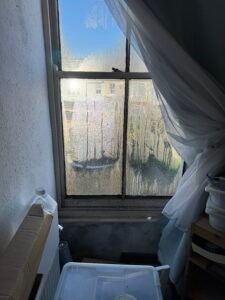
Condensation is a common problem in London homes and indeed in buildings across the UK, especially in the cold winter months. There are many causes, ranging from excess moisture in the air, to running hot water or cooking without using the extractor fan. Penetrating damp can lead to water droplets forming on walls and windows, while a leaking roof can cause similar issues. Before repairing damage caused by condensation, it is critical to first source the root cause of the issue and carry out damp-proofing work.
Poor Heating
Ineffective heating is a major cause of condensation, as this leads to excess moisture in the air and coupled with a lack of airflow, water droplets form on hard surfaces. If you have central heating, it makes sense to periodically heat the entire house, if only for a few hours. Of course, you won’t want to heat rooms that are not in use, but to prevent condensation, you should dry out humid spaces, even if that means heating unoccupied rooms. If you do not have central heating, portable electric heaters are better than nothing and by monitoring temperatures, you can take action when it is needed.
Excess Moisture
Many London homeowners invest in a portable dehumidifier that can be used in multiple rooms to dry out the air and that can prevent the onset of condensation. A couple of hours in each room and droplets of water will be a thing of the past and once winter is over, you no longer need to dehumidify.
Drying Wet Clothing in the Home
We understand that the wet weather means it can take a long time to dry garments, but doing this releases a lot of moisture into the air and regular indoor drying can cause water droplets to form on hard surfaces. Using a tumble dryer is fine, as long as the pipe sends the humid air to the outside, rather than releasing it into the house. It can be very frustrating when clothing won’t dry due to lack of sunshine and frequent rain, yet you should resist the temptation to bring the washing indoors. A compromise would be to use the garage, which would not affect the house.
Bathroom Condensation
When running a hot bath or taking a hot shower, always keep the bathroom door closed and open a window to allow the steam to leave the room. After you have finished and most of the moisture has escaped via the window, you can open the door to completely remove any remaining moisture.
Cooking Without Extraction
Cooking causes steam to form and if you do not use extractor fans, a steam buildup is likely to cause water droplets to form on walls and windows. Opening windows is always a good idea when cooking, while keeping the kitchen door closed keeps the moisture from escaping into other parts of the home. If you don’t have a canopy over your oven, installing one will really help to keep the kitchen dry and also remove unpleasant smells.
Leaking Water Pipes
Even a slight leak can eventually lead to water droplets forming, especially if there is no ventilation; keep an eye out for damp patches on walls and ceilings, which are a sign of a leaking pipe.
Effective Treatments for Condensation
There are a number of effective treatments that can be used to combat condensation, which include:
- Cavity wall insulation – The added thermal insulation greatly reduces, if not removes condensation.
- Repair damp proof course – Rising damp is a major cause of condensation and repairing damaged DPC membrane can be an effective solution.
- Generate a positive airflow – Condensation can be prevented by good ventilation; we carry out a ventilation flow test as part of our independent damp survey.
- Use a portable dehumidifier – Moving the machine from one room to another is a good way to remove moisture from the air, which can reduce or prevent the formation of water droplets.
If your London home suffers badly with condensation in the winter, call London Damp Proofing Ltd or enter your details in the online survey booking form and we will be in touch shortly.